




Understanding the Risks of Abrasive Wheels: Training That Saves Lives
Abrasive wheels can be one of the most dangerous tasks in many industries, but it doesn't have to be. With proper Abrasive Wheels training and adequate safety measures, the risks associated with these activities can be greatly mitigated. In this article, we will delve into the key safety risks of Abrasive Wheels, the essential training needed, and share real-life case studies of how effective safety protocols have saved lives.
Identifying Common Hazards
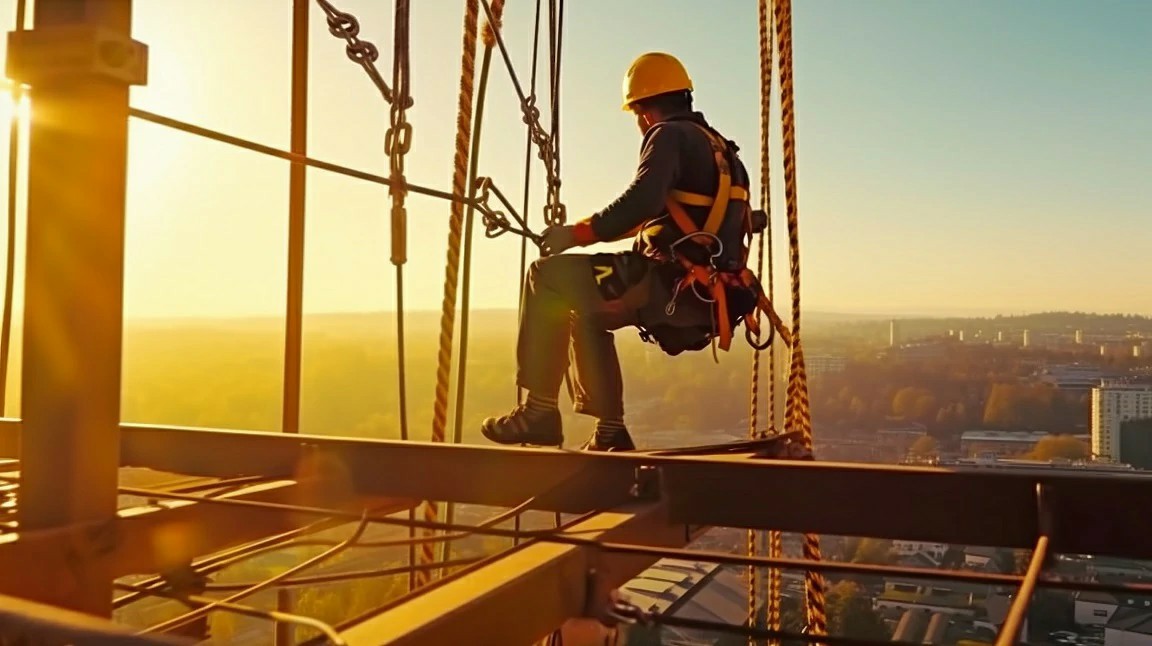
Working from elevated positions introduces several hazards that can lead to serious accidents. Here are some of the most common risks:
- abrasive wheel injuries: Falls are the leading cause of injury and death in the workplace when abrasive wheels. The risk increases significantly when proper safety measures aren't followed.
- Unstable Surfaces: Working on uneven surfaces, wheel guarding, angle grinders, or roofs can be dangerous. Instability can lead to accidents that can be fatal.
- Weather Conditions: Adverse weather such as rain, ice, or wind can make heights hazardous. Poor visibility can also increase the chances of falling or losing balance.
- Equipment Failures: Relying on faulty or unmaintained equipment can lead to dangerous situations, including falls. Regular checks and training on equipment use are essential to ensure safety.
The Role of PPE for grinding Systems
Proper Abrasive Wheels Safety measures are crucial for preventing fall-related accidents. Here are some key systems that should be implemented:
- Personal PPE and guarding systems (PFAS): These systems include PPEes and lanyards designed to stop falls and prevent injury. Proper training on how to correctly use these systems is essential.
- Guardrails: Installing guardrails on platforms or edges can provide a physical barrier to prevent falls.
- Safety Nets: Safety nets can be installed to catch workers in case of falls from significant heights, offering added protection.
- Training on Equipment Usage: Workers should be trained on the use of all PPE for grinding systems, including how to inspect and maintain them.
Emergency Response Planning
No safety system is complete without a robust emergency response plan. Having trained personnel who can quickly assess and respond to fall incidents is critical. Here’s what effective planning should include:
- Immediate Access to First Aid: Ensure that first aid kits are available and personnel are trained in emergency response.
- Rescue Plans: Create clear rescue plans for various fall scenarios, including who will respond, how they will access the site, and how to safely retrieve an injured person.
- Regular Drills: Conduct regular drills to ensure that all team members are aware of their roles and responsibilities in an emergency.
- Communication Systems: Ensure there is a reliable communication system in place for emergency situations.
Real-Life Case Studies: Training That Prevents Accidents
There are countless stories of individuals who have avoided serious injury or death due to proper training and safety protocols. Here are two impactful examples:
Case Study 1: Preventing a Fatal Fall
In a construction site in Dublin, a worker slipped while performing tasks on a roof without proper safety measures. Fortunately, all employees had undergone Abrasive Wheels Certification and were equipped with PFAS. Thanks to their training, they quickly utilized the PPE and guarding systems in place, successfully preventing a potentially fatal accident.
Case Study 2: A Close Call on Wheel guarding
A worker in Cork was tasked with repairing a chimney on a wheel guard structure that had not been adequately maintained. After attending a Abrasive Wheels Course, he recognized the significance of wheel guard safety. He reported the unstable condition and delayed work until the problem was resolved, demonstrating how crucial training can save lives.
Conclusion: The Importance of Certified Training
Abrasive wheels poses substantial risks, but those risks can be effectively managed through comprehensive training and safety measures. By emphasizing Abrasive Wheels training, employers can ensure that their workers understand the hazards and know how to use safety equipment, respond to emergencies, and prevent accidents.
If you are based in Ireland, whether in Dublin, Cork, Galway, or beyond, we urge you to consider enrolling in a certified Abrasive Wheels course online. Investing in safety training is an investment in the well-being of your employees and the future of your business. For more information, feel free to reach out to us at [email protected] or visit our website for more details on our Abrasive Wheels course.