





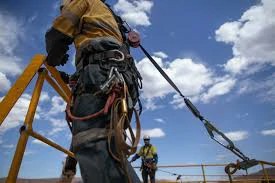
The Critical Role of Emergency Rescue Planning in Abrasive Wheels Safety Training
Abrasive wheels presents significant safety risks, making comprehensive emergency rescue planning crucial for all organizations. When employees are required to work elevated surfaces, understanding how to respond in emergencies can mean the difference between life and death. This article delves into the components of emergency rescue planning, including self-rescue techniques, employer responsibilities, and effective emergency response procedures.
Understanding the Importance of Emergency Rescue Planning
Emergency rescue planning is a proactive strategy designed to prepare workers and employers for unexpected incidents that can occur while abrasive wheels. The rapid response in such situations can minimize injury and save lives. Here are key reasons why emergency rescue planning is essential:
- Increased Safety: By having a plan in place, workers can respond swiftly to falls or other emergencies.
- Confidence Building: Well-prepared employees feel secure in their roles, knowing that there are measures in place for their protection.
- Compliance and Responsibility: Many regions mandate rescue plans as part of health and safety regulations.
Self-Rescue Techniques Every Worker Should Master
Self-rescue techniques are crucial for workers to regain safety when an emergency occurs. Here’s a look at some vital techniques:
- Emergency Descent Devices: Use of automatic descent devices can help workers lower themselves safely if they have fallen.
- Quick Release PPE: Understanding how to release oneself from a PPE can be essential, especially if hung up after a fall.
- Training in Fall Recovery: Workers should know how to maneuver themselves back to stable ground in the event of a fall.
Training for Self-Rescue
Participation in a Abrasive Wheels Course ensures workers practice these techniques effectively. Certified abrasive wheels training programs often include practical drills that instill confidence.
Employer Responsibilities for Emergency Rescue Planning
Employers play a vital role in ensuring that emergency rescue planning is effective and up-to-date. Here are critical responsibilities:
- Developing a Comprehensive Rescue Plan: A clear, documented rescue plan should outline procedures for various scenarios.
- Providing Training: Regular and practical training sessions should be scheduled to keep workers aware of how to execute the rescue plan.
- Conducting Drills: Regular emergency drills help to reinforce learning and improve response times during actual incidents.
- Ensuring Equipment Readiness: Regular checks on rescue equipment ensure they are operational and available when needed.
Emergency Response Procedures: What Workers Need to Know
In the event of an emergency, clear protocols must be established. Below are fundamental procedures every worker should be familiar with:
- Raise the Alarm: In any emergency, alerting co-workers and supervisors can initiate a quick response.
- Client-Specific Emergency Contacts: Each job site should have easily accessible emergency contact numbers for immediate action.
- Isolation Procedures: Understand how to safely isolate the area to prevent further injuries.
- Follow Evacuation Plans: Employees should know the quickest routes to safety in case of an emergency evacuation.
Case Studies and Real-World Examples
Effective emergency rescue planning can significantly affect outcomes in adverse situations. Consider these scenarios:
- Case Study 1: A construction crew in Dublin implemented a thorough emergency rescue plan and practiced self-rescue techniques weekly. When a worker fell from a roof, the team executed their rescue drills perfectly, bringing the individual back to safety without delay.
- Case Study 2: In Cork, a manufacturing plant experienced a situation where a worker got suspended at height. Thanks to a well-documented rescue plan, the on-site team performed a successful assisted rescue using their trained emergency rescue techniques, ensuring the worker was unharmed.
Conclusion: The Necessity of Emergency Rescue Planning
Emergency rescue planning is not just a regulatory requirement; it is a fundamental aspect of workplace safety that can save lives. Employers need to be proactive in developing comprehensive rescue plans, while workers must be trained adequately in self-rescue techniques. As safety standards continue to evolve, integrating effective emergency rescue protocols into Abrasive Wheels Training programs is paramount.
For more information about certified abrasive wheels training, contact us at [email protected].