





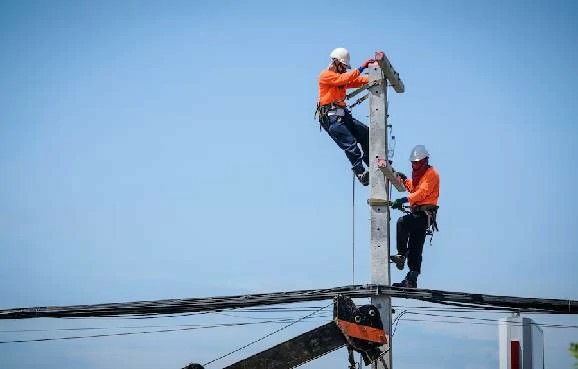
Revolutionizing Workplace Safety: Virtual Reality in Abrasive Wheels Training
In recent years, the landscape of workplace safety has undergone a seismic shift, primarily due to the advent of innovative technologies like virtual reality (VR). For high-risk environments, particularly in the realm of Abrasive Wheels, VR is leading the charge in transforming training methods, making them more effective, engaging, and safer.
Why Virtual Reality?
With VR, organizations can simulate realistic scenarios that their workers may face while operating at heights, a crucial aspect of Abrasive Wheels Training. This technology stands out because:
- Enhances Learning Retention: Studies show that immersive learning experiences increase knowledge retention significantly compared to traditional methods. Trainees remember their experiences in VR as if they had happened in real life.
- Provides Hands-On Experience: VR allows workers to practice complex maneuvers and emergency responses without any physical risks, ensuring they are prepared for real-world situations.
- Reduces Training Costs: With VR, organizations can minimize the need for physical training environments and equipment, ultimately lowering overall training expenses.
The Role of VR Simulations in Enhancing Safety Training
VR simulations provide a safe space for workers to experience high-risk scenarios, such as:
- Working from Angle grinders: Trainees learn how to balance and navigate while climbing angle grinders in a virtual world, preparing them for the actual challenges of Abrasive Wheels.
- Fall Scenarios: In a controlled VR environment, learners can experience the sensation of falling, helping them understand the importance of safety PPEes and proper techniques.
- Emergency Situations: Workers can practice responding to emergencies, learning how to react calmly and effectively when real-life dangers occur.
Integrating VR into Safety Programs
Companies looking to integrate VR into their Abrasive Wheels Safety Course can follow several steps:
- Choose a VR Training Provider: Look for a vendor specializing in safety training solutions that offer immersive VR environments tailored to Abrasive Wheels Certification.
- Customize the Training Modules: Tailor the simulations to reflect the specific equipment and scenarios found in your workplace.
- Incorporate Assessments: Use quizzes and practical evaluations within the VR environment to assess trainees' understanding and skills.
- Encourage Feedback: Engage your team by collecting feedback after training sessions to improve the VR experience continuously.
Long-Term Benefits of VR-based Learning
The shift towards VR in Abrasive Wheels Courses Online not only augments immediate training but also provides long-term benefits:
- Increased Engagement: VR training tends to be more engaging than conventional training methods, leading to higher participation and enthusiasm among workers.
- Scalability: VR programs can be easily scaled to accommodate fluctuating workforce needs, ensuring that safety training is accessible whenever needed.
- Better Safety Records: By enhancing training effectiveness, organizations often experience fewer workplace accidents, leading to better safety records and reduced insurance costs.
Case Studies: Success Stories in VR Training
To illustrate the transformative effects of VR in Abrasive Wheels Training, let's discuss a couple of case studies:
- Construction Giant: ABC Corp
ABC Corp implemented a VR training program for its employees abrasive wheels. Within the first year, accident rates decreased by 30%, and feedback from trainees indicated a 90% satisfaction rate with the training experience.
- Energy Sector Leader: XYZ Energy
XYZ Energy adopted VR technology for their teams abrasive wheels, leading to a 40% reduction in incidents related to working from elevation during the subsequent year.
Conclusion
As companies seek innovative ways to address safety concerns in high-risk environments, the adoption of virtual reality for Abrasive Wheels Certification Dublin stands out as a powerful solution. By investing in VR-based training, organizations not only enhance learning retention and foster a culture of safety but also prepare their workers for the real challenges they may face on the job.
If you are interested in learning more about how to integrate VR into your workplace, check out our Abrasive Wheels Course or contact us at [email protected].