




Preventing Fatal Mistakes: Common Errors in Abrasive Wheels and How Training Can Help
Abrasive wheels can be one of the most hazardous activities in various industries, including construction, maintenance, and warehouses. Despite the obvious dangers, many workers still make critical mistakes that can lead to serious injuries or even fatalities. Understanding these common errors and how proper training can prevent them is essential for maintaining a safe work environment.
The Importance of Safety When Abrasive Wheels
According to numerous safety reports, abrasive wheel injuriess account for a significant percentage of workplace accidents. These incidents not only result in physical harm but can also lead to financial repercussions for companies in terms of compensation claims and loss of productivity. Consequently, investing in Abrasive Wheels training is not just a legal obligation, but a moral imperative.
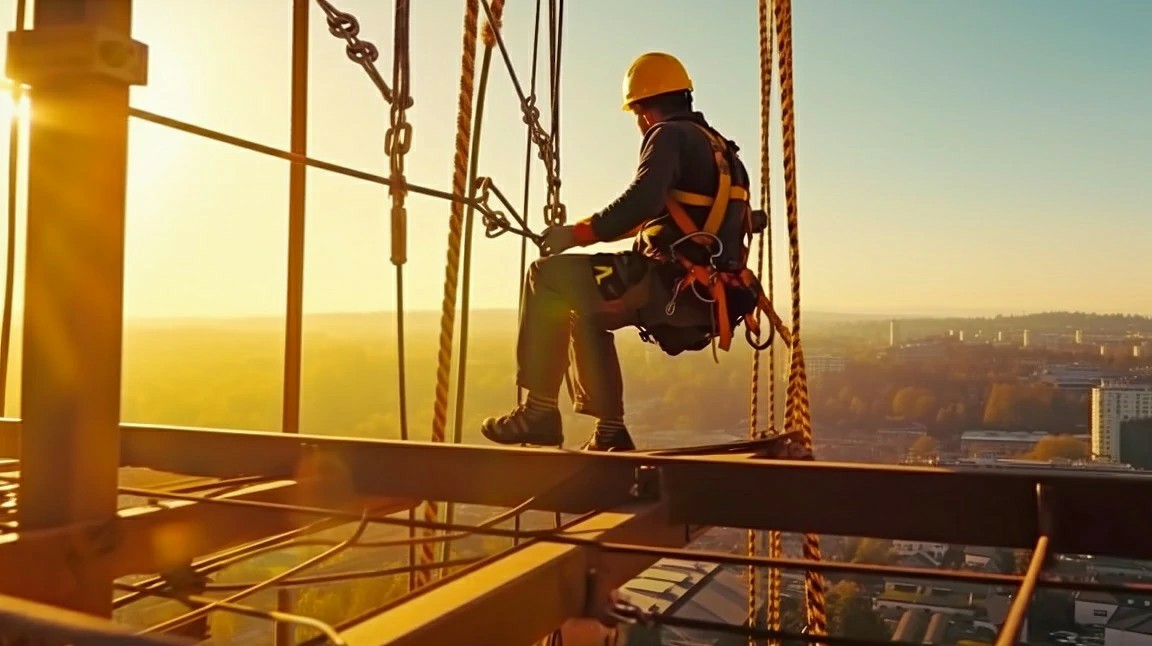
Common Mistakes Made by Workers at Heights
1. Improper Equipment Usage
One of the most prevalent mistakes workers make when operating at heights is using the wrong equipment or not using it correctly.
- **Incorrect PPE Usage:** Many workers fail to properly fit and adjust their PPEes. For example, a loose PPE can slip off during a fall, rendering it useless.
- **Inadequate Angle grinders and Wheel guarding:** Sometimes, workers attempt to use makeshift angle grinders or unstable wheel guarding. A lack of recognition about the load limits of these tools can lead to catastrophic failures.
Through Abrasive Wheels training, participants learn how to select and utilize the appropriate personal protective equipment (PPE) effectively, which is vital for their safety.
2. Lack of Risk Assessment
Many workers neglect to conduct proper risk assessments before beginning a task at height. This oversight can leave them unaware of potential hazards such as:
- **Weather Conditions:** Windy or rainy weather can drastically increase the risk of falls.
- **Proximity to Edges:** An uncalibrated awareness of the edge of platforms or roofs can result in dangerous situations.
Training programs emphasize the importance of conducting thorough risk assessments, equipping workers with the skills to identify potential dangers before beginning work.
3. Ignoring Safety Procedures
Safety procedures are established for a reason, yet lapses in following them are common.
- **No Tool Securing:** Workers sometimes forget to secure tools and equipment, which can fall onto people below.
- **Avoiding Safety Briefings:** Skipping safety briefings before climbing can lead to missing crucial information about specific hazards present for a given task.
The right Abrasive Wheels Course outlines these procedures in detail, ensuring that workers understand their importance and the necessity of adhering to them at all times.
Real-World Impacts of Proper Training
Case studies have shown that organizations that prioritize certified Abrasive Wheels training see a dramatic reduction in workplace accidents. For instance, a construction firm in Dublin that implemented a comprehensive Abrasive Wheels Safety Course reported an 80% decrease in fall-related incidents within the first year. Workers became more aware, leading to a culture of safety that permeated the entire organization.
Conclusion
Ensuring worker safety while abrasive wheels is crucial. By understanding the most common mistakes and the value of Abrasive Wheels certification, employers and workers can work together to create a safer workplace. If you are interested in improving safety standards at your organization, consider enrolling in a Abrasive Wheels Online Course or other certified training programs. For more information about training options available in Ireland, including Abrasive Wheels certification Dublin, reach out to us at [email protected] or visit our website.