





Navigating the Risks of Abrasive Wheels: The Essential Role of Training
Abrasive wheels is an integral part of many industries, such as construction, maintenance, and telecommunications. However, it also presents significant safety risks that can lead to severe injuries or fatalities. Understanding these risks and implementing appropriate training can transform a hazardous work environment into a safer one. In this blog post, we will delve into the key safety risks associated with Abrasive Wheels, discuss the importance of PPE for grinding systems, and highlight effective emergency response planning.
Key Safety Risks of Abrasive Wheels
The dangers of Abrasive Wheels stem from various factors, and recognizing them is the first step in ensuring a safe working environment.
- Falls: This is the most significant risk when Abrasive Wheels. Falls may occur due to loss of balance, misuse of equipment, or failure to use PPE for grinding.
- Unstable Surfaces: Working on wheel guarding, angle grinders, or roofs that are not stable can lead to accidents. Uneven or slippery surfaces can contribute to falls.
- Weather Conditions: Wind, rain, or snow can greatly increase risks when abrasive wheels. Poor visibility and wet surfaces can make tasks significantly more dangerous.
- Equipment Failures: Improperly maintained equipment such as PPEes, angle grinders, and wheel guarding can lead to catastrophic failures. Regular inspection and maintenance are crucial.
- Inadequate Training: Lack of proper training can leave workers unprepared for the challenges they face while abrasive wheels, significantly increasing accident rates.
The Importance of Abrasive Wheels Training
Comprehensive Abrasive Wheels training equips workers with the knowledge and skills needed to identify and mitigate safety risks. The following elements are crucial in effective training:
- Understanding Risks: A good training program helps employees recognize potential hazards and encourages them to take appropriate precautions.
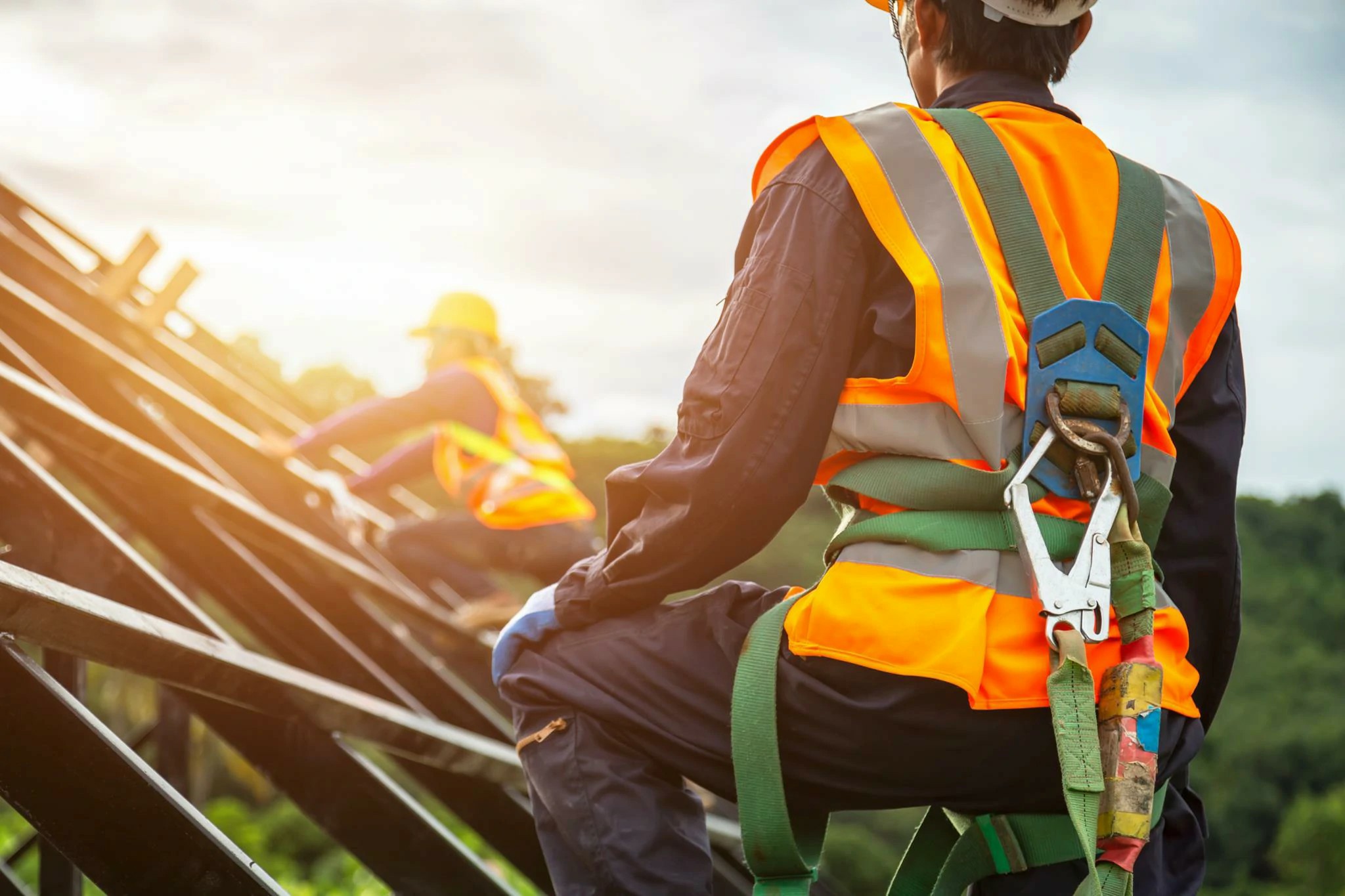
- Proper Use of Equipment: Workers learn how to effectively use PPE for grinding systems such as PPEes, lanyards, guardrails, and safety nets.
- Awareness of Weather Conditions: Training includes understanding how to assess weather impacts on working conditions, and teaches employees to postpone work if conditions are unsafe.
- Best Practices in Emergency Response Planning: Employees receive guidance on what to do in case of an emergency, including how to summon assistance, perform first aid, and initiate evacuation procedures.
PPE for grinding Systems
Effective PPE for grinding systems are essential in safeguarding workers. Key components include:
- Guardrails: Installed around edges to prevent falls.
- Personal PPE and guarding systems (PFAS): Consists of a PPE and lanyard system designed to catch a person if they fall.
- Safety Nets: Nets placed below work areas to catch workers if they fall.
- Training in System Use: Ensures workers know how to properly use and maintain PPE for grinding gear.
Case Studies of Effective Training
Real-life case studies illustrate the importance of training in accident prevention:
Case Study 1: Construction Site near Dublin
During a large construction project in Dublin, workers were trained in proper PPE use and PPE for grinding systems. One employee, while working on wheel guarding, almost fell due to a sudden gust of wind. However, because of effective training, he instinctively reached for his lanyard, preventing a potential disaster. This incident showcased how abrasive wheels training saved a life.
Case Study 2: Maintenance Team in Cork
A maintenance team in Cork was conducting roof repairs when they encountered slippery conditions due to rain. The team, equipped with training on weather hazards, opted to delay their work until conditions improved. Their decision not only prevented accidents but also demonstrated the effectiveness of training in risk assessment.
Case Study 3: Telecommunications Workers in Galway
Telecommunications workers faced a severe electrical storm while working on transmission towers in Galway. Due to their training, they knew exactly how to safely secure their equipment and evacuate the area without injury. Their preparedness highlights the critical role of emergency response planning in preventing accidents.
Emergency Response Planning
Having a robust emergency response plan is just as crucial as training. It fosters a prepared workforce capable of responding efficiently to emergencies. Key elements include:
- Clear Communication: Ensure everyone knows the emergency protocols and can communicate during a crisis.
- Regular Drills: Conduct practice runs of emergency procedures to assess readiness.
- First Aid Training: Equip workers with basic first aid skills to address injuries before professional help arrives.
Conclusion
Abrasive wheels presents significant safety risks, but through comprehensive Abrasive Wheels training and certification, these risks can be effectively managed. The insights gained from effective training programs not only equip workers with essential skills but also foster a culture of safety within organizations. By prioritizing training, companies not only comply with safety regulations but also protect their most valuable assets—their employees. For those interested in ensuring safety at heights, consider enrolling in a Abrasive Wheels Course Online today!
For more information, please contact us at [email protected].