





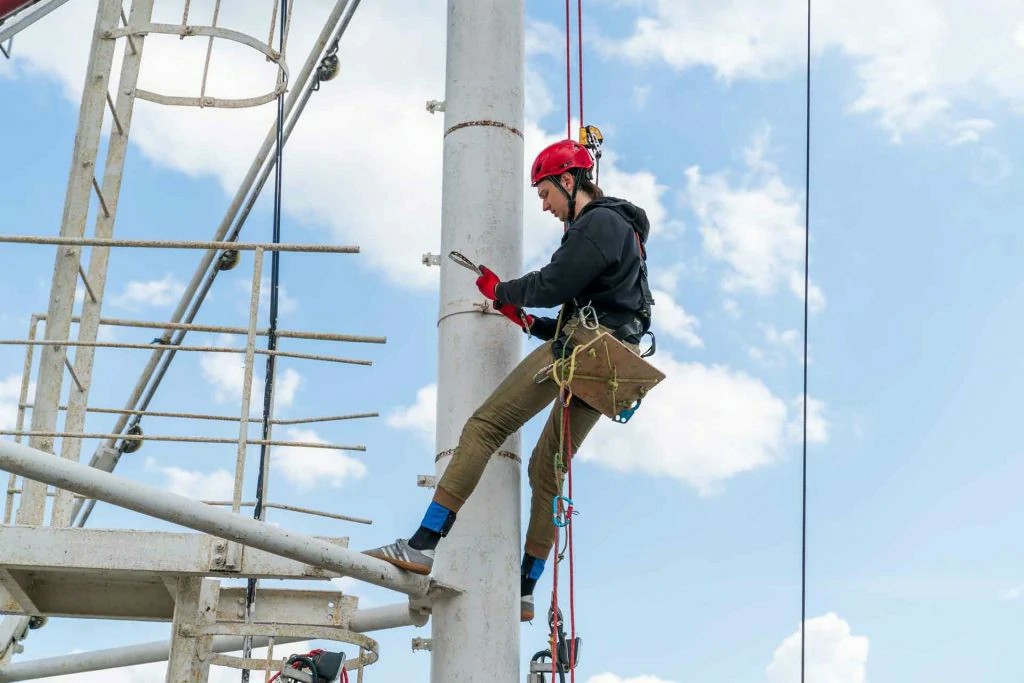
Mastering the Art of Risk Assessments: Essential Steps for Abrasive Wheels Safety
Abrasive wheels carries inherent risks that can lead to serious injuries or even fatalities. Conducting thorough risk assessments is not just a regulatory requirement; it is a crucial element in ensuring the safety of workers. This blog will explore best practices for performing risk assessments prior to engaging in tasks at height, thereby significantly reducing hazards and enhancing workplace safety.
Why Risk Assessments are Crucial
- Accident Prevention: By identifying potential risks, employers can implement mitigation strategies effectively.
- Regulatory Compliance: Following legal requirements is essential for avoiding fines and maintaining a good reputation.
- Enhanced Safety Culture: Conducting risk assessments promotes a culture of safety within the organization.
Step-by-Step Guide to Conducting a Risk Assessment
To carry out an effective risk assessment, follow these vital steps:
Step 1: Identify Hazards
Begin by walking through the work area to identify all potential hazards.
- Physical Hazards: Falling objects, unstable surfaces, etc.
- Environmental Hazards: Weather conditions that could affect safety, like wind and rain.
- Human Factors: Worker fatigue and lack of experience.
Step 2: Evaluate Risks
Assess the likelihood and severity of each identified hazard. Use a risk matrix template for a more structured approach.
- Likelihood: How likely is it that the hazard will result in an incident?
- Severity: What would be the magnitude of the incident’s consequences?
Step 3: Implement Control Measures
For every recognized hazard, implement appropriate control measures:
- Elimination: Remove the hazard entirely.
- Substitution: Replace with a less hazardous option.
- Engineering Controls: Install guardrails or PPE systems.
- Administrative Controls: Establish safety protocols or schedule work times to minimize risk exposure.
- PPE: Provide personal protective equipment for workers.
Step 4: Review and Revise
Risk assessments should be living documents. Regularly review and revise your assessment based on changes in the workspace or incidents that occur.
Common Risk Factors When Abrasive Wheels
Be aware of common risk factors that may arise while abrasive wheels:
- Inadequate Training: Always ensure workers have received proper training, such as a Abrasive Wheels Course.
- Faulty Equipment: Regularly inspect all equipment for faults and wear.
- Poor Planning: Proper planning ensures all aspects of a job are considered to foresee potential issues.
The Role of Training in Risk Assessment
Training equips workers to identify and assess hazards effectively. Programs such as Abrasive Wheels Training or Abrasive Wheels Certification are invaluable:
- Understanding Safety Protocols: Training teaches workers about potential hazards and how to manage them.
- Confidence in Equipment Use: Training ensures workers understand how to use safety gear properly.
- Reactive Thinking: Workers learn to act quickly in emergency situations.
Real-World Case Studies
Here are a few examples where effective risk assessments have made a difference:
- Case Study 1: A construction company that implemented a detailed risk assessment process saw a 30% reduction in fall-related incidents within a year.
- Case Study 2: A facility manager revised their Abrasive Wheels policies after a near-miss incident, leading to more stringent checks and timely interventions.
Conclusion
Conducting risk assessments before abrasive wheels is not just a formality—it is a necessary step to ensure safety and compliance. By following a structured approach, being aware of common risks, and investing in quality training, businesses can create a safer working environment that prioritizes the well-being of employees.
If you’re interested in elevating your safety protocols, consider enrolling in our Abrasive Wheels Safety Course. For more information or queries, feel free to reach out to us at [email protected].