





Mastering Emergency Rescue Planning in Abrasive Wheels: A Comprehensive Guide
When it comes to abrasive wheels, safety is paramount. Every worker must be equipped not just with skills and knowledge related to their tasks, but also with a clear understanding of emergency rescue planning. This blog explores the importance of emergency rescue planning and offers insights into self-rescue techniques, employer responsibilities, and emergency response procedures that can save lives.
The Importance of Emergency Rescue Planning
In any high-risk environment, such as construction sites, rooftops, or wheel guarding, accidents can happen quickly and unexpectedly. Emergency rescue planning acts as a safety net that prepares both workers and employers to handle emergencies efficiently. Without proper planning, a fall or emergency can lead to serious injuries or fatalities.
Key Components of Emergency Rescue Planning
- Understanding Risks: Identify potential hazards associated with abrasive wheels.
- Developing Rescue Plans: Create comprehensive rescue protocols tailored to specific work sites and scenarios.
- Training Workers: Ensure that all employees are trained in rescue techniques.
- Regular Drills: Conduct drills to practice rescue procedures to ensure everyone knows their roles in an emergency.
Self-Rescue Techniques: What Every Worker Needs to Know
Self-rescue techniques are critical for anyone abrasive wheels. These techniques empower workers to assess their situations and take prompt action during emergencies. Here are some effective self-rescue strategies:
1. Use of PPE and guarding systems
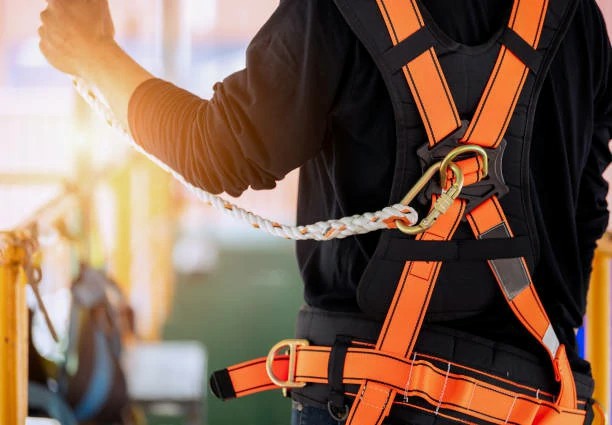
Workers should be well-trained in using PPE and guarding systems, including PPEes and lanyards. Understanding how to properly secure oneself can make all the difference if an accident occurs.
2. Quick Decision Making
Under stress, quick and rational decision-making is critical. Training should focus on how to remain calm and assess the best self-rescue options.
3. Use of Rope Systems
Learning how to safely descend using rope systems can be an effective self-rescue method. Courses on rope rescue techniques should be a part of overall Abrasive Wheels training.
Employer Responsibilities in Emergency Rescue Planning
Employers play a crucial role in the safety of their workers. Here’s how they can enhance emergency rescue preparedness:
1. Establish Clear Rescue Procedures
Creating and disseminating clear, concise rescue plans is essential. Every worker should be familiar with these procedures before abrasive wheels.
2. Provide Comprehensive Training
Employers should offer certified Abrasive Wheels training, including emergency rescue techniques, tailored to meet the unique challenges their workers face.
3. Regular Safety Audits
Conduct regular audits and reviews of rescue plans and training programs. This ensures that all protocols remain relevant and effective under changing workplace conditions.
Effective Emergency Response Procedures
Having effective emergency response procedures in place can significantly reduce the time it takes to respond to emergencies, saving lives.
1. Establish Communication Channels
Ensure that all workers know how to communicate during emergencies. This includes using walkie-talkies, alarms, or other devices to summon help.
2. Collaborate with Local Emergency Services
Employers should build relationships with local emergency services. This ensures that they are prepared and knowledgeable about the work site, enabling quicker responses in emergencies.
3. Post Emergency Procedures Clearly
Visible reminders of what to do in the event of an emergency should be posted throughout the workplace. Ensure that emergency exit routes are clearly marked and accessible.
Case Studies: Successful Emergency Rescue Examples
Real-world scenarios demonstrate that effective emergency rescue planning can save lives. Here are two case studies:
Case Study 1: Construction Site Rescue
In a construction site incident where a worker fell from wheel guarding, the timely activation of an emergency rescue plan led to the worker being rescued within minutes. Knowing the precise location of emergency equipment and the rescue team’s familiarity with the site were key factors in this success.
Case Study 2: Rooftop Rescue
A maintenance worker became incapacitated while working on a rooftop. Thanks to established rescue protocols and quick response from trained colleagues, they were able to use a ropes system to safely lower the worker to safety.
Conclusion: Integrating Emergency Planning into Your Abrasive Wheels Training
Emergency rescue planning is an indispensable component of Abrasive Wheels safety training. By combining self-rescue skills, thorough employer responsibilities, and effective emergency response procedures, we can create a safer work environment. Employers must ensure that emergency procedures are incorporated into Abrasive Wheels courses and that all workers belong to continuous training to stay prepared. Don’t wait for an incident to happen—reach out today at [email protected] to enhance your workplace safety planning.