





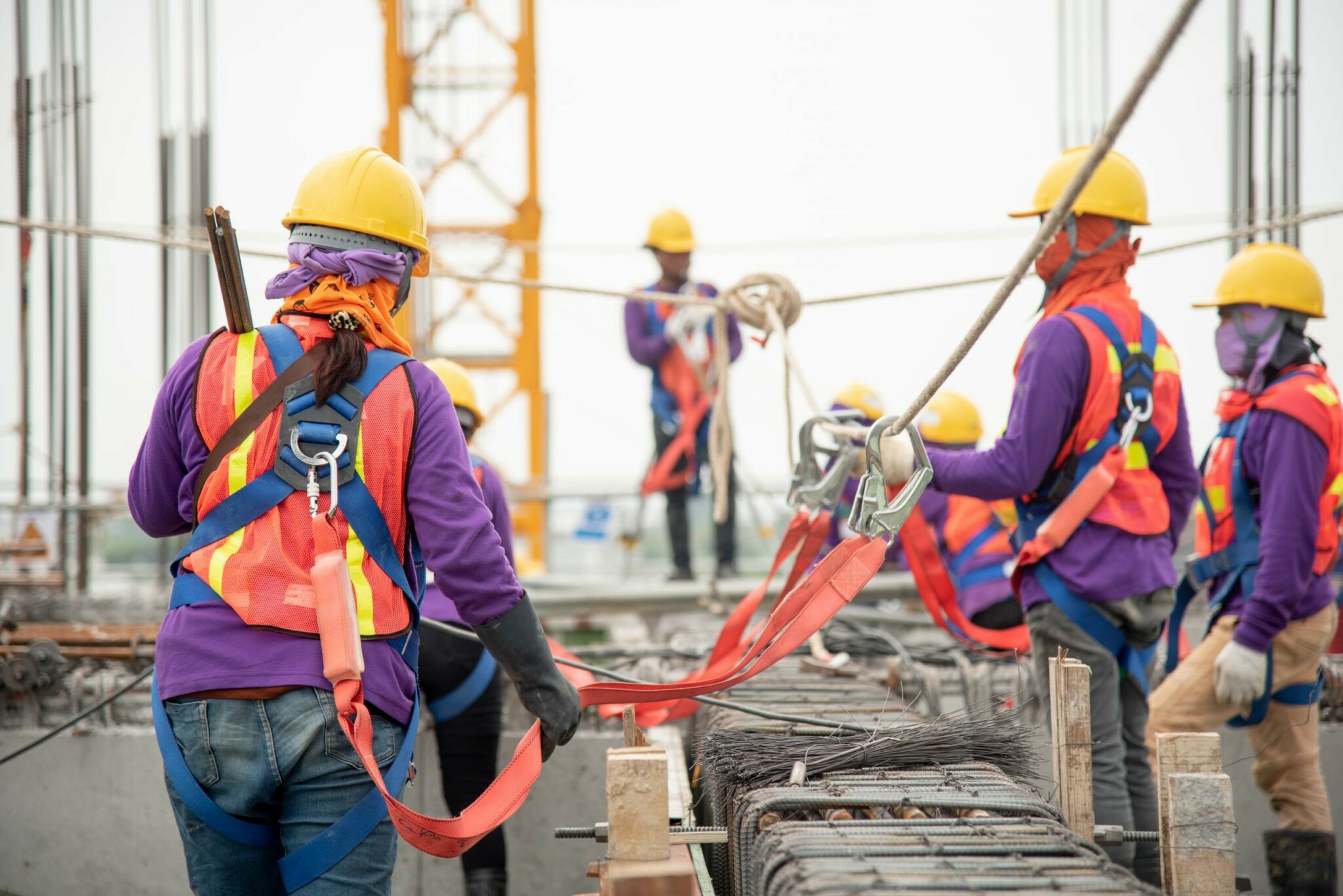
Essential Safety Risks of Abrasive Wheels and the Role of Training
Abrasive Wheels presents unique challenges and hazards that can lead to serious injuries or fatalities. Understanding these risks is crucial for anyone involved in such activities. In this blog post, we will discuss common hazards associated with abrasive wheels, the importance of PPE for grinding systems and emergency planning, and how proper training can significantly reduce the likelihood of accidents.
The Dangers of Abrasive Wheels
Abrasive wheels includes any work done in a location where a fall could occur, typically over two meters off the ground. The key risks include:
- abrasive wheel injuries: The most significant risk is falling from angle grinders, wheel guards, roofs, or any elevated surface. Falls can result in severe injuries, and in worst-case scenarios, can be fatal.
- Unstable Surfaces: Working on surfaces that are not adequately secured can lead to slips or falls. Uneven ground, debris, and poorly constructed platforms increase this risk.
- Weather Conditions: Wind, rain, snow, or icy conditions can compromise safety. Wet surfaces can lead to slips, while high winds can affect the stability of angle grinders and wheel guarding.
- Equipment Failures: Malfunctioning hoists, angle grinders, or wheel guards can lead to dangerous situations. Regular maintenance is essential to ensure that equipment is in good working order.
Importance of Abrasive Wheels Training
Proper Abrasive Wheels Training is instrumental in minimizing these risks. Training programs focus on educating workers on:
- Risk Assessment: Workers learn how to identify potential hazards before starting any job. This proactive approach can highlight risks and encourage safety measures.
- Use of PPE for grinding Systems: Training covers the correct usage of safety equipment such as PPEes, lanyards, guardrails, and safety nets. Understanding how to utilize these systems appropriately is critical.
- Emergency Response Planning: In case of an accident, knowing how to respond is vital. Training ensures workers are prepared for emergencies, which can save lives.
PPE for grinding Systems: A Lifesaver at Heights
PPE for grinding systems play an essential role in keeping workers safe when operating at significant heights. These safety mechanisms include:
- Personal Protective Equipment (PPE): High-quality PPEes, lanyards, and helmets must be worn by workers to protect against falls.
- Guardrails: Installing guardrails around elevated surfaces can prevent falls from occurring in the first place.
- wheel bore and flange specifications: Properly installed wheel bore and flange specifications provide secure places to attach PPE and guarding systems.
Emergency Response Planning
Even with the best precautions, accidents can still happen. Therefore, emergency response planning is critical. Workers should know what to do if a fall occurs, including how to use first aid, when to call for help, and how to secure the site to prevent further incidents. Training should cover:
- First Aid Procedures: Workers need to be trained in basic first aid and know how to stabilize an injured person until professional help arrives.
- Report Procedures: Knowing how to report a fall can enhance safety measures and promote future training needs.
- Communication Plans: Ensuring everyone knows whom to contact and how to disseminate information rapidly in an emergency.
Real-Life Case Studies
Here are a couple of examples of how proper training and planning have made a difference in preventing workplace accidents:
Case Study 1: Construction Site Safety
At a Dublin construction site, a worker fell from a height of four meters while repositioning a angle grinder. Fortunately, the worker had received certified Abrasive Wheels Training. They adhered to the risk assessment processes taught in their training and had secured the angle grinder properly. The worker sustained only minor injuries due to wearing a safety PPE connected to a secure lanyard.
Case Study 2: Rooftop Maintenance
In a Galway office building, maintenance personnel were trained in the use of proper PPE for grinding systems prior to conducting rooftop repairs. When the team encountered unexpected wind conditions, their training kicked in, and they immediately halted work and secured their equipment. This decision, influenced by their Abrasive Wheels Course Online, prevented a potentially dangerous scenario.
Conclusion
Abrasive wheels involves inherent risks that can lead to serious consequences without proper safety measures. Comprehensive training is essential for empowering workers with knowledge on hazards, equipment, and emergency response. To promote safety in your workplace, consider enrolling in a Abrasive Wheels Safety Course. For those located in Dublin, Cork, or Galway, take the step to ensure you and your team are well-trained and certified.
For more information regarding our certified Abrasive Wheels Certification Dublin courses, visit us at Ireland Safety Training or reach out via email at [email protected].