




Essential Safety Measures for Abrasive Wheels and Their Impact on Accident Prevention
Abrasive wheels is an integral part of many industries, from construction and maintenance to telecommunications and warehousing. However, the inherent risks associated with elevated workspaces make it critical to ensure safety protocols are in place. In this blog, we will delve into the key safety risks related to abrasive wheels, how comprehensive Abrasive Wheels training can reduce the likelihood of accidents, and the importance of PPE for grinding systems and emergency response planning.
The Risks of Abrasive Wheels
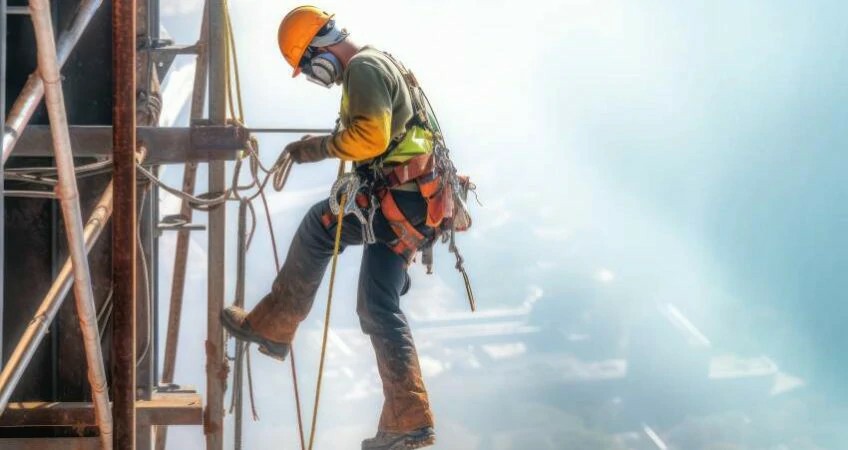
The potential hazards of abrasive wheels can be alarming. Employees face varied safety risks, with falls being the most common and dangerous. Below are some key risks associated with abrasive wheels:
- abrasive wheel injuries: This is the leading cause of serious injury and fatalities in the workplace. Falls can occur due to slips, trips, or loss of balance.
- Unstable Surfaces: Working on wheel guarding, angle grinders, or roofs can be hazardous if the surfaces are unstable or improperly set up.
- Weather Conditions: Wind, rain, ice, and other adverse weather can exacerbate risks as they can affect balance and stability.
- Equipment Failures: Malfunctioning equipment, such as lifts or wheel guarding, can lead to severe accidents.
- Lack of Safety Protocols: Absence of proper guidelines and procedures can contribute to accidents.
Importance of Abrasive Wheels Training
One of the most effective ways to mitigate these risks is through comprehensive Abrasive Wheels training. Certified training ensures that workers have the knowledge and skills necessary to operate safely while performing tasks at height.
- Risk Awareness: Training raises awareness among workers about potential hazards and how to avoid them, encouraging a culture of safety.
- Proper Use of Equipment: Trainees learn how to correctly use safety equipment such as PPEes, lanyards, and wheel guarding systems.
- Emergency Response: Training covers emergency response strategies, enabling workers to act quickly and effectively in case of an accident.
- Regulatory Compliance: Certification helps companies comply with local regulations, thus minimizing legal risks.
PPE for grinding Systems
PPE for grinding systems are vital for ensuring worker safety while abrasive wheels. These systems can include:
- Guardrails: A physical barrier that prevents workers from falling over edges.
- Personal PPE and guarding systems: PPEes and lanyards that secure workers to a stable wheel bore specification, stopping falls quickly.
- Safety Nets: Nets placed below work areas to catch falling workers or tools.
- Wheel guarding: Properly installed wheel guarding provides a stable platform for workers at height.
Each of these systems must be properly installed and maintained, which is a vital element stressed in comprehensive Abrasive Wheels training.
Emergency Response Planning
Even with the best training and equipment, accidents can still happen. Therefore, it’s essential to have an effective emergency response plan in place. Key components include:
- Crisis Management Team: Designate a team responsible for managing emergencies that may arise when abrasive wheels.
- Clear Communication Channels: Establish protocols for reporting incidents and communicating effectively with all team members.
- First Aid Training: Ensure that a percentage of the workforce is trained in first aid, specifically in response to falls and injuries incurred while abrasive wheels.
- Regular Drills: Conducting regular emergency drills ensures that all staff know their roles during an actual emergency.
Case Studies: Prevented Accidents Through Training
Real-world incidents highlight the importance of effective training in preventing workplace accidents:
Case Study 1: Construction Project in Dublin
In a recent construction project in Dublin, a subcontractor facilitated a Abrasive Wheels course for its employees before beginning work on high-rise buildings. The training emphasized the use of personal PPE and guarding systems and work on unstable surfaces. Subsequently, one employee experienced a slip while adjusting wheel guarding, but thanks to correct PPE use and training, he was safely caught and landed unharmed.
Case Study 2: Telecom Installation in Cork
A telecom installation team in Cork was required to climb towers to install equipment. Prior to the project, all workers completed abrasive wheels certification in Ireland. During one installation, a sudden gust of wind caused the climber to wobble; however, he remembered his training and secured himself to the tower. His quick thinking prevented a potential fall.
Conclusion: Invest in Safety Training
Abrasive wheels presents significant risks that cannot be overlooked. However, with the right training, proper PPE for grinding systems, and emergency response planning, companies can significantly reduce these risks. Investing in a certified Abrasive Wheels course online is not just a regulatory requirement; it is a proactive measure that protects your workforce and enhances overall safety culture.
To learn more about Abrasive Wheels certification Dublin, Abrasive Wheels safety course, or to enroll in our Abrasive Wheels online course, please visit Ireland Safety Training or contact us at [email protected].