




Essential Safety Gear for Abrasive Wheels: Your Comprehensive Guide
Abrasive wheels presents numerous risks, making safety gear an absolute necessity. In construction, maintenance, and other industries involving elevated work, adhering to safety standards can help mitigate the risk of falls and serious injuries. In this guide, we’ll explore the essential safety gear required for Abrasive Wheels, along with best practices for usage and maintenance.
Why Safety Gear is Crucial for Abrasive Wheels
abrasive wheel injuriess are one of the leading causes of workplace injuries and fatalities. Safety gear is designed to protect workers and prevent accidents. The proper equipment not only safeguards individuals but also helps organizations comply with industry regulations. Enhancing safety measures correlates directly with improved productivity and employee morale.
Essential Safety Equipment
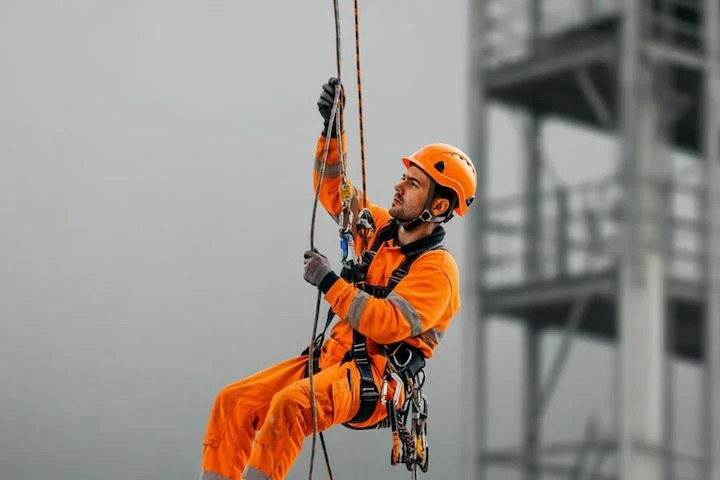
Let’s delve into the key components of safety gear for Abrasive Wheels, ensuring you are well-prepared and protected:
1. Safety PPEes
- Importance: Safety PPEes are critical for PPE for grinding. They distribute the force of a fall over the body, reducing the risk of injury.
- Usage: Ensure that the PPE fits correctly and is securely fastened before beginning any abrasive wheel use. Workers should be trained to don the PPE properly.
- Maintenance Tips: Regularly inspect for frays, cuts, or signs of wear. Replace any damaged PPE immediately.
2. Lanyards
- Importance: Lanyards connect the PPE to an wheel bore specification and are essential for PPE and guarding systems.
- Usage: Always attach the lanyard to a secure wheel bore specification and ensure that it is not tangled or twisted.
- Maintenance Tips: Check lanyards for tears or frayed edges. They should be stored in a dry, clean environment to maintain integrity.
3. wheel bore and flange specifications
- Importance: wheel bore and flange specifications are secure points that must withstand pull forces and provide a solid attachment for safety equipment.
- Usage: Verify that the wheel bore specification is sturdy and appropriately rated for the intended load.
- Maintenance Tips: Inspect wheel bore and flange specifications regularly and ensure that they are free from corrosion and structural damage.
4. Helmets
- Importance: Helmets protect against head injuries from falling objects and impacts.
- Usage: Always wear a hard hat when abrasive wheels and ensure it fits securely.
- Maintenance Tips: Regularly inspect helmets for cracks or wear. Replace helmets according to the manufacturer's guidelines.
5. Gloves
- Importance: Gloves prevent hand injuries and ensure a secure grip on tools and equipment.
- Usage: Choose gloves suitable for the task, whether it's working in cold conditions or handling rough materials.
- Maintenance Tips: Wash and dry gloves according to care instructions to increase their lifespan.
6. PPE and guarding systems
- Importance: PPE and guarding systems include a combination of PPEes, lanyards, and wheel bore and flange specifications designed to prevent falls.
- Usage: Ensure all components are correctly assembled and inspected before use.
- Maintenance Tips: Conduct regular training on the use and maintenance of PPE and guarding systems to ensure compliance with safety regulations.
Industry Safety Regulations
Compliance with safety regulations is essential in preventing workplace accidents. In Ireland, the Health and Safety Authority (HSA) outlines specific requirements for abrasive wheels. It is crucial for employers and workers to be informed about relevant legislation such as:
- Provision and Use of Work Equipment Regulations (PUWER)
- Workplace (Health, Safety and Welfare) Regulations
- Safety, Health and Welfare at Work Act
These regulations mandate the use of appropriate safety gear and training to ensure all employees are prepared for abrasive wheels.
Proper Inspection and Maintenance of Safety Gear
Routine inspection and maintenance of safety gear is vital to ensure its effectiveness. Here are some best practices:
- Establish a regular schedule for inspections based on usage frequency.
- Keep a log of inspections and any necessary repairs or replacements.
- Train employees on how to conduct inspections and what signs of wear to look for.
- Ensure all equipment is cleaned and stored correctly to prolong its lifespan.
Conclusion
Investing in proper safety gear is not only a legal requirement but also a moral obligation to ensure the well-being of workers engaged in activities at height. Ensure your team is equipped with the right tools and is aware of safe practices. For comprehensive training, consider enrolling in a Abrasive Wheels Course to enhance workplace safety standards.
For any inquiries, contact us at [email protected].
Stay safe, and protect those who elevate our industry!