




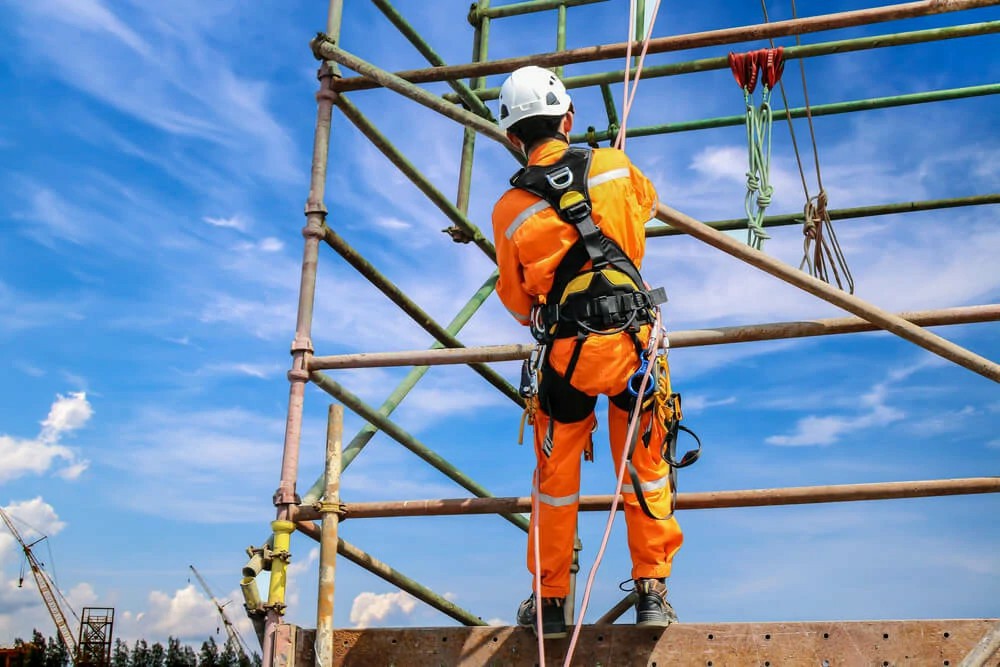
Elevating Safety: How Virtual Reality is Reshaping Abrasive Wheels Training
In an era where workplace safety is paramount, especially in high-risk environments, the need for effective training solutions has never been more crucial. Virtual Reality (VR) technology is revolutionizing the landscape of Abrasive Wheels training, providing immersive experiences that enhance learning and retention. This blog explores how VR simulations elevate safety training, offering hands-on experiences and dramatically reducing costs for companies.
The Technological Leap in Abrasive Wheels Training
Traditional safety training methods often fall short in providing realistic scenarios that workers face. VR technology bridges this gap by allowing trainees to engage in simulated high-risk environments where they can practice skills without the physical dangers associated with actual abrasive wheels.
Realistic Simulation of High-Risk Scenarios
- Immersive Experience: VR creates a lifelike experience that immerses trainees in scenarios such as working on rooftops, wheel guarding, or elevated platforms.
- Hands-On Practice: Workers can practice procedures for using PPEes, angle grinders, and other safety equipment markedly more engagingly than traditional lectures.
- Emergency Response Training: VR allows for the simulation of emergency scenarios—such as a worker falling or equipment failure—enabling trainees to practice emergency responses safely.
Enhancing Learning Retention through Interactive Training
Studies indicate that interactive learning methods significantly enhance information retention. With VR, the level of engagement and immersion is substantially higher than with conventional training.
Key Benefits of VR in Learning Retention
- Active Learning: Participants become active learners, experiencing training in a way that promotes better understanding and retention.
- Real-time Feedback: Trainers can provide immediate feedback during simulations, allowing workers to correct mistakes and reinforce proper techniques.
- Repeatable Training: Trainees can repeat scenarios as needed, which supports muscle memory development and increases confidence.
Cost-Effective Training Solutions
Incorporating VR technology into a Abrasive Wheels training program can lead to reduced costs in several areas:
Cost Benefits of VR Training
- Reduced On-Site Training Costs: Companies save by minimizing the need for physical setups, such as wheel guarding or grinding equipment.
- Less Downtime: Trainees can learn effectively without halting actual work operations, thus minimizing downtime and boosting productivity.
- Less Travel Required: VR training can be conducted remotely, saving on travel expenses and time for trainers and trainees alike.
Case Studies of Successful VR Implementation
Several organizations across various industries have successfully integrated VR into their Abrasive Wheels training programs, yielding remarkable results.
Success Story: Company A
Company A, a leading construction firm, reported a 30% reduction in fall-related incidents after implementing a VR-based Abrasive Wheels training program. The immersive simulations allowed workers to confront their fears in a controlled environment, enhancing their preparedness.
Success Story: Company B
Another organization, Company B, focused on maintenance services, noted improved employee confidence levels and efficiency in tasks after completing VR training, leading to a 25% increase in productivity.
Integration of VR into Safety Training Programs
For companies looking to adopt VR in their Abrasive Wheels safety training, the process can be seamless if they follow these steps:
Steps to Integrate VR Training
- Assessment of Needs: Identify specific training goals related to Abrasive Wheels and evaluate current training methods.
- Partner with VR Experts: Collaborate with VR technology providers to develop tailored training modules.
- Pilot Programs: Start with pilot programs to gauge engagement, retention, and overall effectiveness among employees.
- Gather Feedback: Collect participant feedback to refine and enhance the program continuously.
Concluding Thoughts
The integration of Virtual Reality into Abrasive Wheels training is not just a trend; it is a revolutionary step towards enhancing workplace safety. By providing realistic simulations of high-risk environments, companies can significantly improve learning retention, provide hands-on experiences, and reduce training costs. As industries strive to create safer workplaces, embracing immersive learning technology like VR is essential.
Take Action Today!
Are you ready to elevate your safety training program? Consider exploring our Abrasive Wheels course to learn more about implementing effective training solutions. For further inquiries, contact us at [email protected].